




Dhaka A youth wing activist of the Awami League was killed in clashes with workers of the ruling BNP on Sunday (November 29, 2026) in fresh violence that erupted in Bangladesh as a two-day lockdown called by ousted former Prime Minister Sheikh Hasina’s party kicked in. Sheikh Hasina | The rebel who became the ruler storyline 1 Crude bomb explosions, arson attacks and highway blockades were reported from several parts of the country despite heightened security arrangements after Ms.
Hasina announced plans to return home on December 16. https://www.thehindu.com/news/international/former-bangladesh-pm-sheikh-hasina-return-to-bangladesh/article71737182.ece Bangladesh tightens border security ahead of Hasina’s planned return; deploys 108 BGB platoons Bangladesh tightens border security ahead of Hasina’s planned return; deploys 108 BGB platoons The heightened security comes amid fears that Ms.
Hasina’s supporters could intensify violence and sabotage in the coming days. Awami League, whose activities have been banned, is promoting a lockdown programme for November 29 and 30 through online platforms, adding to concerns over a possible escalation of tensions Bangladesh tightens border security ahead of Hasina’s planned return; deploys 108 BGB platoons storyline 1 Ibrahim Sipahi, a local activist of Ms.
Hasina’s Awami League party, was killed in southwestern
Hasina’s Awami League party, was killed in southwestern Shariatpur during clashes with BNP workers, while several others were injured in different parts of the country, according to the police and witnesses. Sipahi was killed with locally-made sharp weapons as Awami League protesters allegedly set fire to a market, a restaurant and several vehicles, according to witnesses. The violence erupted as Ms.
Hasina’s Awami League party called a 48-hour nationwide lockdown from early Sunday (November 29). Sheikh Hasina’s return gambit tests Bangladesh’s political fault lines Sheikh Hasina’s return gambit tests Bangladesh’s political fault lines The ousted leader’s December 16 return plan has energised the Awami League leaders and cadre, tested Tarique Rahman’s government and complicated Dhaka’s efforts to reset ties with New Delhi Analysis Sheikh Hasina’s return gambit tests Bangladesh’s political fault lines storyline 1 The Awami League’s political activities remain banned in Bangladesh, a restriction first imposed in May 2025 under the interim government which succeeded Ms.
Hasina’s 15-year rule that ended in August 2024 after massive protests. The 2024 protests had started over civil service job quotas and eventually escalated into a mass uprising against authoritarianism, corruption and economic hardship. The ban on the Awami League was upheld by the Bangladesh Nationalist Party (BNP) government, led by Prime Minister Tarique Rahman, which took charge after elections held in February this year.
On Sunday morning (November 29), protesters blocked
On Sunday morning (November 29), protesters blocked a road, disrupting vehicular movement across the Padma Bridge, which connects southwestern Bangladesh with the rest of the country. MEA separates Sheikh Hasina’s plans to return to Bangladesh from issue of extradition MEA separates Sheikh Hasina’s plans to return to Bangladesh from issue of extradition ‘The case of a citizen willing to return voluntarily to her country on a travel document is a matter separate from the extradition request,’ MEA’s official spokesperson Randhir Jaiswal said MEA separates Sheikh Hasina’s plans to return to Bangladesh from issue of extradition storyline 1 According to news reports, violence was reported in at least 14 of the country’s 64 administrative districts, including the capital city Dhaka, from the early hours of Sunday (November 29), with crude bomb explosions and vehicles being torched.
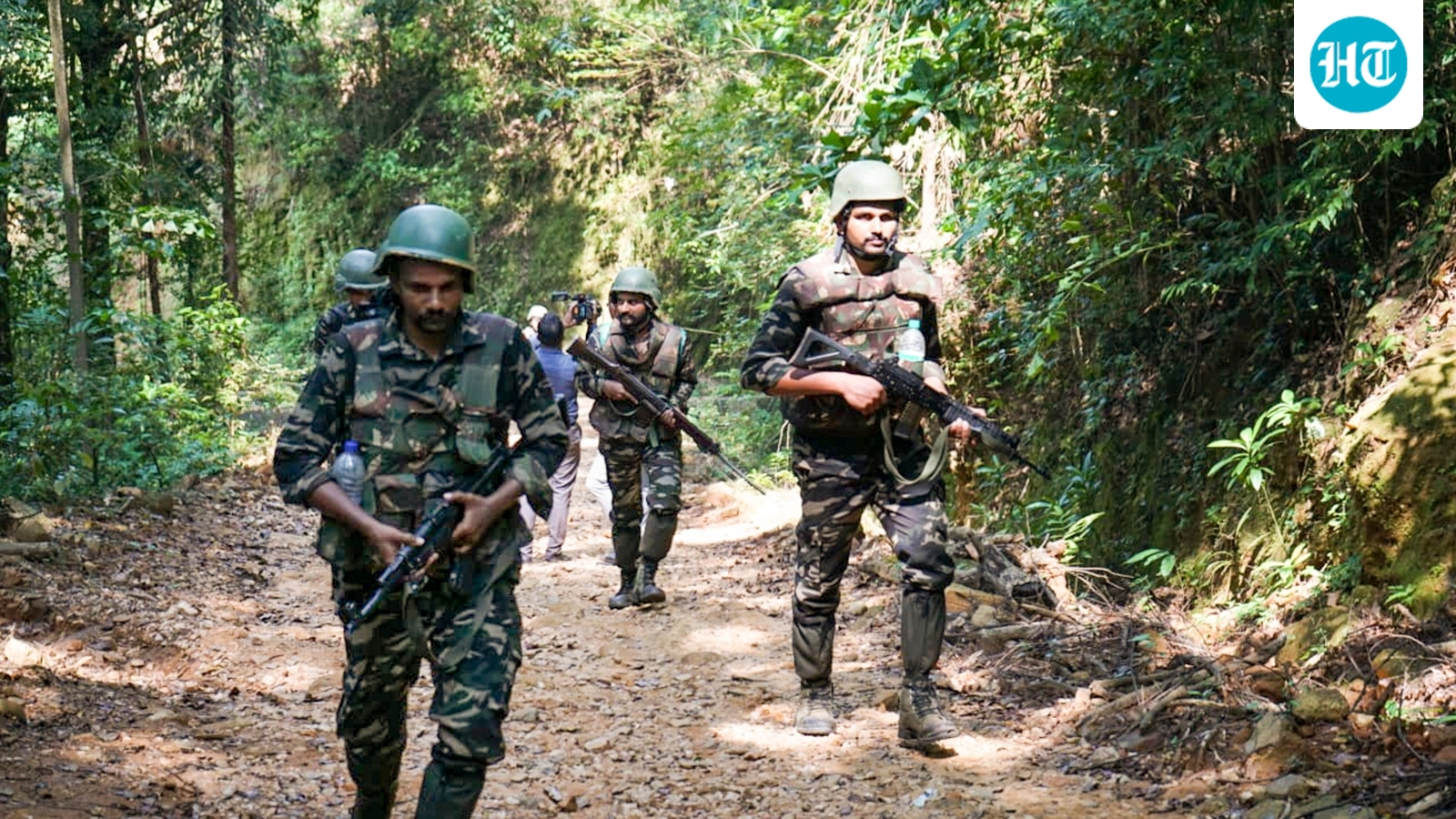
Authorities deployed seven additional platoons of the Border Guard Bangladesh (BGB) overnight to maintain law and order in Dhaka and six other districts. The paramilitary force said 120 platoons were already on security duty, using drones for surveillance in seven districts, including Dhaka and southwestern Gopalganj, Ms. Hasina’s home district. A platoon in Bangladesh typically has up to 32 personnel.
Police said they used tear gas shells and sound grenades to disperse protesters, while witnesses and media reports said the main clashes took place between supporters of the two rival parties, particularly in Shariatpur. “When a group of people exploded cocktails and blockaded the expressway in the morning, we fired tear gas shells and sound grenades to control the situation,” Shariatpur’s Additional Superintendent of Police Zakaria Rahman said, adding that armed police personnel had stepped up patrols since Saturday (November 28) night amid fears of unrest.
Ms. Hasina has been living in India since
Ms. Hasina has been living in India since fleeing Bangladesh on August 5, 2024, following a student-led uprising that toppled her 15-year government. In November 2025, Ms. Hasina was sentenced to death in absentia for crimes against humanity over the 2024 crackdown on protesters. Ms. Hasina has refused the allegations. Bangladesh has been seeking her extradition from India, while New Delhi has maintained that Dhaka’s request is being examined through a legal process.
The issue has emerged as ahat Ms. Hasina be returned under a bilateral extradition treaty. Ms. Hasina said she intends to return to Bangladesh on her own and surrender before a court. Her lawyers had earlier approached the Bangladesh mission in New Delhi seeking a fresh passport and national identity card to facilitate her return
The Bangladesh government rejected her request for fresh travel documents earlier this month, which triggered unrest in the country. Ms. Hasina now plans to return home on December 16, the day Bangladesh celebrates its victory over Pakistan in the 1971 Liberation War. She has also asked the Bangladesh government to arrange her air travel from New Delhi on the national carrier, her spokesperson said in a statement last week.
https://www.thehindu.com/society/history-and-culture/bravehearts-of-the-1971-war/article65224005.ece

