
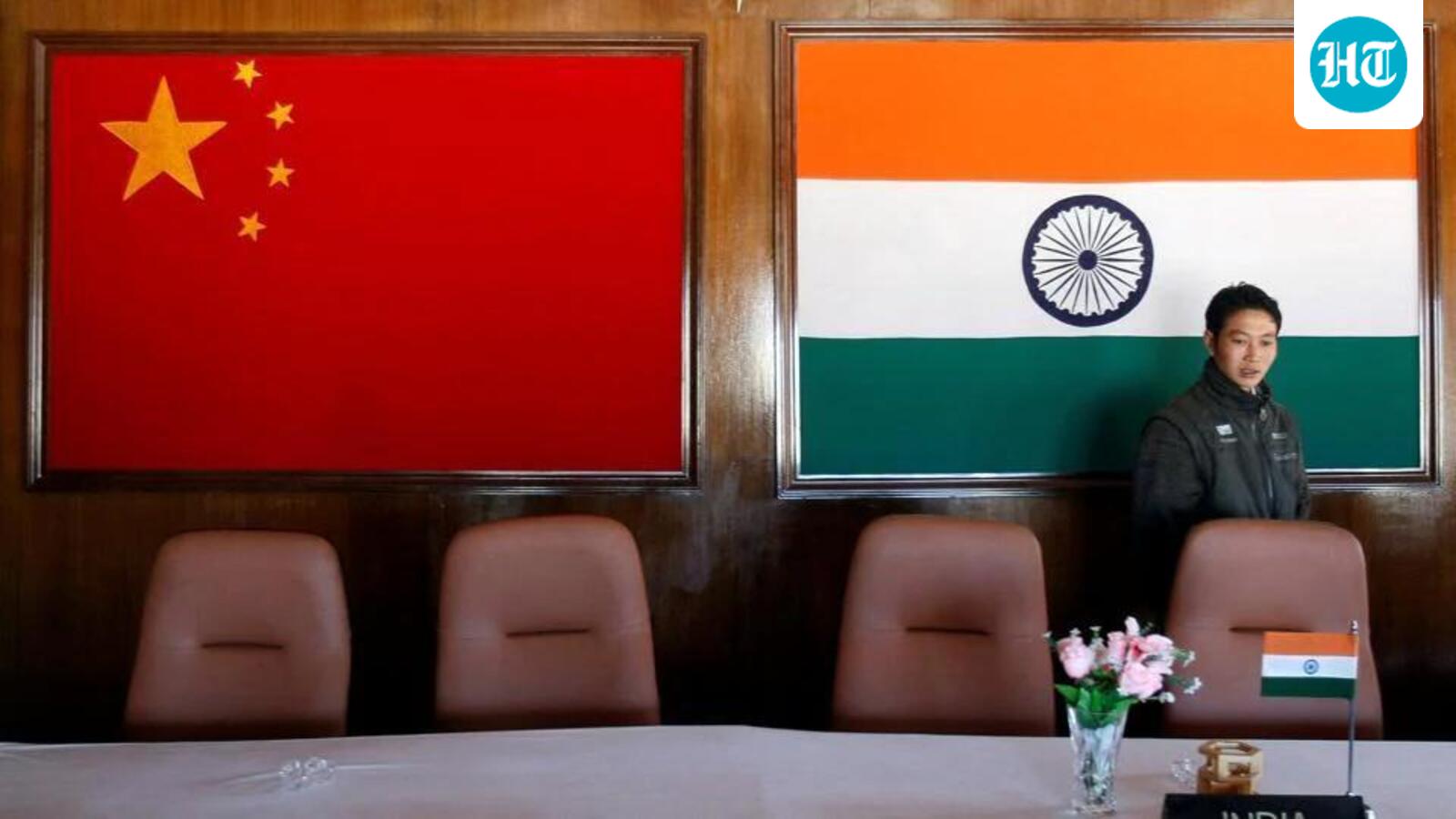

Talks between Indian and Chinese senior military commanders in the Arunachal Pradesh sector this month focused on improving border management, addressing outstanding issues and preventing any escalation, the external affairs ministry said on Wednesday, against the backdrop of reported frictions between the two sides in the region.
The discussions, believed to have lasted more than a week, were the second round of such talks in the Arunachal Pradesh sector since September. They were held following reports of aggressive posturing by Chinese troops along the Line of Actual Control (LAC), especially in the Upper Subansiri region.
“A meeting of the senior, highest military commanders was held in the eastern sector recently. Discussions between the two sides focused on improving border management, as also addressing outstanding issues along the LAC,” external affairs ministry spokesperson Randhir Jaiswal told a regular media briefing when he was asked about the talks.
Such interactions are aimed at maintaining peace
“Such interactions are aimed at maintaining peace and tranquillity in the border areas and preventing any escalation,” he said. India and China regularly engage through diplomatic and military mechanisms, he added.
Tensions erupted between the Indian Army and the People’s Liberation Army (PLA) at Taksing, a remote area of Upper Subansiri district, in July and August. The Indian side said at the time that the two sides had agreed to use diplomatic and military mechanisms to “avoid misunderstanding and miscalculation” along the border.
The discussions between the military commanders followed the 24th round of talks between the Special Representatives – India’s National Security Adviser Ajit Doval and Chinese foreign minister Wang Yi – in New Delhi on August 19, which produced 10 points of consensus, including the creation of mechanisms for talks between military commanders in the eastern and middle sectors of the LAC.
A similar mechanism for talks between military commanders
A similar mechanism for talks between military commanders already exists in the western sector, which includes Ladakh, the scene of a military face-off in 2020 that dragged on for more than four years and took bilateral relations to a six-decade low.
The Indian side has maintained that the state of the border will determine the overall course of the relationship with China. During the military and diplomatic talks, India has stressed to the Chinese side the importance of maintaining peace and tranquillity in the border areas for the continued development of bilateral ties.
The two sides have taken a series of measures to rebuild their ties since October 2024, when they reached an understanding on disengaging frontline forces at several “friction points” along the LAC in the Ladakh sector. At the same time, the Indian side has bolstered military preparedness and infrastructure along the LAC in the Arunachal Pradesh sector.
Jaiswal responded to a separate question on reports
Jaiswal responded to a separate question on reports that Chinese satellites may have been used by Pakistan to monitor the movements of Indian troops and keep an eye on military installations during Operation Sindoor in 2025 by saying: “We have seen some media reports on this particular issue. We will continue to closely follow the developments which may have a bearing on our security interests and take appropriate measures.”
At a meeting with Chinese President Xi Jinping on the margins of the Brics summit in New Delhi in September, Prime Minister Narendra Modi stressed that both sides must show sensitivity to each other’s core issues and that bilateral relations should be guided by the “three mutuals” – mutual respect, mutual sensitivity and mutual interest.
ABOUT THE AUTHOR
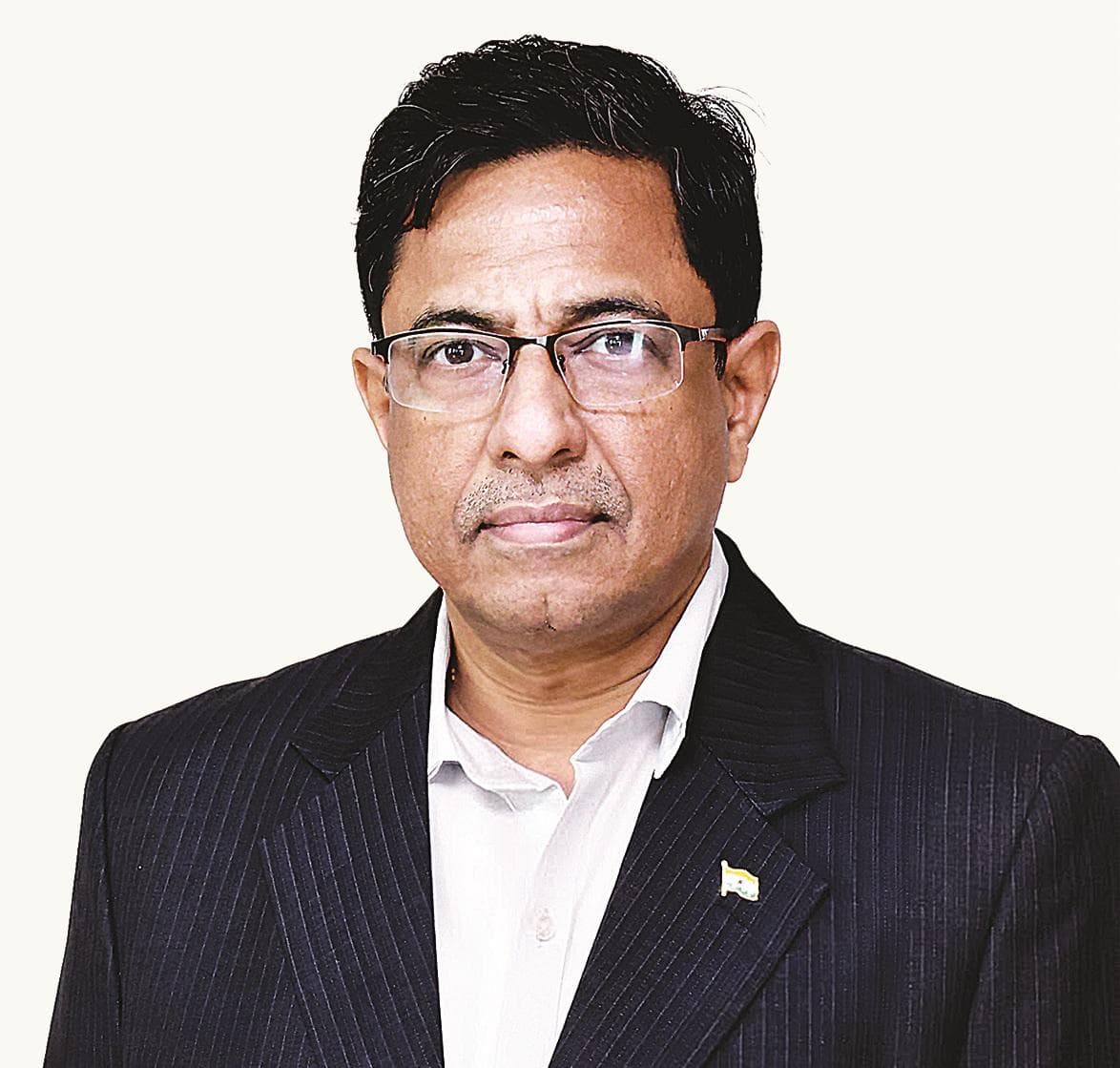
Rezaul Hasan Laskar is Foreign Editor with the Hindustan Times, which he joined in 2015. He began as a journalist in his hometown of Shillong in northeast India and has worked in newspapers and wire services over the years. He moved to New Delhi in 1997 and initially focused on defence, national security, Jammu and Kashmir and the northeast, while also working of foreign policy and international relations. He has been part of the media delegation accompanying PMs on foreign visits and has reported from destinations ranging from Tibet to Ukraine. Between 2007 and 2013, he was the Press Trust of India correspondent in Pakistan, one of only two Indian journalists allowed to report from the country. He extensively covered Pakistan’s domestic politics and the life of the common people, as well as the fallout of the 2008 Mumbai attacks on India-Pakistan relations and the subsequent trial in Pakistan of the suspects involved in the attack. As part of his reportage in Pakistan, he travelled the breadth of the country, from the Swat Valley to Balochistan. Reza’s first gig in journalism was writing a weekly music column, and music – especially classic rock – remains a keen interest. He is also a movie buff and a keen photographer.
Read More
Read Less
arunachal pradesh
Get Latest News, breaking headlines, and top India News, and today real-time updates from across the nation. Stay informed on politics, government policies, crime, Today Weather, and major developments on Hindustan Times
Get Latest News, breaking headlines, and top India News, and today real-time updates from across the nation. Stay informed on politics, government policies, crime, Today Weather, and major developments on Hindustan Times
See Less