




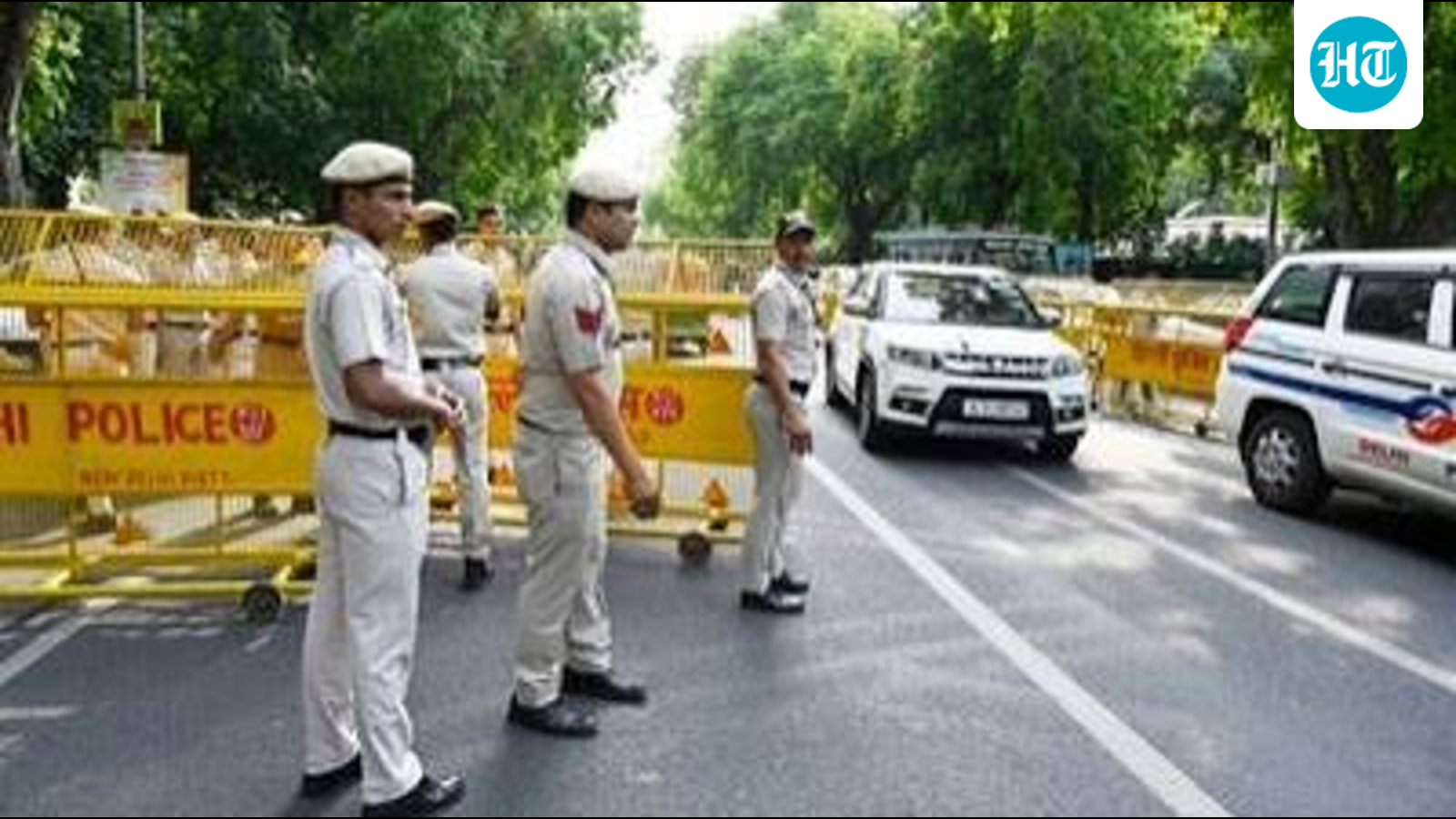
A report in The Times of India, New Delhi edition, on November 17, 2026, held my attention. Headlined ‘Cops Draw Up Three-Month Action Plan to Make Public Spaces Safer’, it outlined an ambitious initiative mentored by the Union home minister for the Delhi Police following continuing concerns over women’s safety.
The report highlighted the identification of 19,822 dark spots, audits of 1,635 public parks, installation of over 6,000 CCTV cameras in public parks, increased patrolling, quicker emergency response, deployment of Pink Scooties and all-women PCR vans, action against habitual offenders and faster investigation and prosecution.
These are reassuring measures. They establish priorities and provide measurable targets. But having read the news report, I thought of taking the challenge from the WHAT to the HOW. How do we translate these appropriate commitments into daily ground-level action and, more importantly, sustainable results, which the Delhi Police have been struggling to achieve?
A recent observation by the Prime Minister’s Principal
A recent observation by the Prime Minister’s Principal Secretary, PK Mishra, reported in the same newspaper, provided a useful perspective when he said, “Governance should focus on citizen experience rather than the number of schemes implemented. Public servants must move beyond procedural compliance towards outcome-oriented governance. Citizens expect their concerns to be heard, decisions taken promptly and themselves to be treated with dignity.”
Understand the ground realities
An ambitious action plan inevitably brings additional responsibilities. Every dark spot requires attention, every vulnerable park needs monitoring, every patrol needs deployment, and every emergency call demands an effective response. These responsibilities have to be performed alongside the police’s existing duties of investigation, law and order, traffic management, intelligence and other security commitments.
There are many operational apprehensions which do not always reach senior leadership in their entirety. In a hierarchical organisation, instructions flow downwards and are generally executed. Junior personnel hesitate to communicate the cumulative burden, shortages or practical difficulties involved in meeting additional expectations.
The question is not whether the force will
The question is not whether the force will comply. It is whether the available reential responsibilities without compromising existing functions, personnel welfare or the quality of policing
We must listen to the ground, understand the workload and create an environment in which operational constraints can be reported without apprehension.
The three-month programme should not wait for a reately, but a comprehensive re
This audit should examine the availability and utilisation of human re and administrative support
It should establish what is available, what is already committed, what can be better utilised and what additional re
The assessment should be undertaken police station-wise
The assessment should be undertaken police station-wise and district-wise, taking into account geographical spread, crime patterns, floating population, vulnerable locations and actual policing workload.
The objective is not simply to demand more reimally utilised, identify gaps and build capacity wherever necessary
Achieve targets without creating unnecessary pressure
Targets must provide direction, not become an additional
Police personnel should not be judged merely by the number of patrols undertaken, parks inspected or hours spent on deployment. Nor should new responsibilities inadvertently weaken investigation, emergency response or other essential functions.
Deployment should be rationalised according to actual requirements
Deployment should be rationalised according to actual requirements and vulnerable hours. Shifts should be planned realistically, overlapping duties reviewed and specialised functions, particularly investigation, adequately protected.
Technology and better processes should reduce repetitive work wherever possible. Personnel welfare, reasonable working hours, adequate rest and supervisory support must remain part of the implementation strategy.
Performance expectations must be matched by operational support. Accountability should be accompanied by the capacity to deliver.
Measure impact, not merely numbers
Perhaps the most important question is how we
Perhaps the most important question is how we will know whether the initiative has actually made public spaces safer.
The number of cameras installed, parks audited, patrols conducted and personnel deployed are useful indicators of activity. But they do not, by themselves, establish that safety has improved.
We need to look beyond numerical achievements. Are women feeling safer walking through parks, markets and public transport approaches? Are commuters more confident using public spaces after dark? Are emergency responses not only quicker but effective in resolving problems? Are vulnerable locations witnessing fewer repeat incidents? Are complaints being addressed with sensitivity and follow-through?
Citizen feedback, independent field inspections, repeat-incident patterns, quality
Citizen feedback, independent field inspections, repeat-incident patterns, quality of investigations and public confidence should form part of the assessment.
The quality of interaction with citizens matters. Are their concerns heard? Are decisions taken promptly? Are they treated with dignity? Are different government agencies coordinating effectively to resolve problems that fall beyond the immediate jurisdiction of the police?
The experience of women, residents, students, commuters and other users of public spaces should inform the evaluation. Equally, feedback from police personnel should establish whether the new deployment arrangements are workable and sustainable.
The impact must be assessed through operational data,
The impact must be assessed through operational data, independent verification and people’s lived experience.
Leadership, ownership and collective responsibility
Purpose must take precedence over hierarchy. Leadership and ownership cannot remain confined to senior levels. Every officer, at every level, must understand the objective and take responsibility for contributing to it.
The SHO, beat officer, supervisory officer and district leadership must see themselves as participants in a shared mission, rather than merely links in a chain of command.
This also requires coordination across government departments
This also requires coordination across government departments. Lighting, road conditions, public transport access and other civic deficiencies cannot be resolved by the police alone. Public safety must become a coordinated institutional responsibility.
A continuous process of improvement
The three-month mission can become an opportunity to introduce a more responsive model of police management.
While implementation begins, re. Gaps must be identified, deployment rationalised and additional capacity built wherever required. Progress must be reviewed periodically, not merely at the end of three months
The objective is not to add pressure
The objective is not to add pressure on an already demanding profession. It is to enable the police to perform better through better planning, adequate re
The “what” has been announced. The “how” must also be worked out collectively, keeping operational realities and public expectations in view.
Making public spaces safer is not merely about setting targets or increasing deployment. It is about enabling the force to deliver, ensuring that its personnel can sustain the effort and establishing, through objective assessment, that citizens are actually safer.
That is when an action plan also becomes meaningful and sustainable public service.
(The writer, India’s first female IPS officer, is former lieutenant governor of Puducherry)


1 Comment
Pingback: Delhi's streets: Better on looks than cleanliness, but still a challenge for pedestrians, study finds - The Daily Republic