

Video Description
Nearest Airport
Swami Vivekanand Airport, Raipur
Nearest Railway Station
Raipur Junction, Railway Station
Mahasamund Junction, Railway Stataton
Nearest Airport
SIRPUR MAHOTSAV
- Organization: Annually
- Duration: Approximately 3 days
- Time: Month of January to February, on the occasion of Magh Purnima
- Event: 1–3 (Days) Approx
- Location: Sirpur, District Mahasamund, Chhattisgarh
- Major River: Mahanadi
- Key Attractions: Cultural programs, folk art, music and dance, Mahanadi Aarti, historical and archaeological sites
- Prominent Sites: Lakshman Temple, Gandheshwarnath Mahadev Temple, Swastik Vihar, Buddha Vihar, Surang Tila, etc.
Objective of Sirpur Mahotsav
The primary objective of Sirpur Mahotsav is to present the historical, archaeological, religious, and cultural heritage of Sirpur to domestic and international tourists, as well as to promote local folk art and culture.
Religious Tradition
The festival is associated with Magh Purnima. On the occasion of Maghi Purnima, devotees take a holy dip in the Mahanadi River and offer prayers and worship to Gandheshwarnath Mahadev. During the 2026 event, Mahanadi Aarti was also organized on all three days.
Historical Significance of Sirpur
Ancient Sirpur evolved into a major political, religious, cultural, and intellectual hub of Dakshin Kosal. The Mahasamund District Administration highlights its role as the ancient capital of the region.
Sirpur finds mention in ancient epigraphic traditions, and its structural ruins chronicle centuries of history. A 2026 publication by NITI Aayog, Government of India, documents the Sirpur Group of Monuments as a cluster of Buddhist viharas, Shiva and Vishnu temples, Jain sites, and civic architectures dating from the 5th to the 12th century CE.
Somvanshi Rule and Sirpur
The history of Sirpur is predominantly associated with the rulers of the Somvanshi (Panduvanshi) dynasty. During this era, Sirpur stood as an influential political and cultural center.
Mahashivagupta Balarjuna is regarded as one of the most prominent monarchs of this dynasty. His reign witnessed a magnificent expansion of architectural and religious undertakings. Within this historical milieu, Queen Vasata commissioned the construction of the renowned Lakshman Temple. As documented by the Department of Culture, Chhattisgarh, an inscription retrieved from the temple complex explicitly records Queen Vasata as the patron of the shrine.
Lakshman Temple
The Lakshman Temple is among the most celebrated architectural landmarks of Sirpur. It is an exceptional specimen of ancient brick temple architecture, dedicated to Lord Vishnu.
The refined execution of brick craftsmanship, intricate detailing, and ornate embellishments distinguish this monument. Its construction is attributed to Queen Vasata, the mother of King Mahashivagupta Balarjuna.
- Precision-crafted brick structure
- Elaborately carved entrance doorway
- Sanctum Sanctorum (Garbhagriha)
- Vestibule (Antarala)
- Pillared Hall (Mandapa)
- Exquisite sculptural and decorative ornamentation
- Iconographic reliefs depicting Vaishnava religious themes
Jain Heritage in Sirpur
Sirpur has also yielded important archaeological relics belonging to Jainism. Tourism and archaeological records note the discovery of Jain viharas as well as icons and artifacts dedicated to Lord Mahavira.
Consequently, Sirpur exhibits tangible archaeological evidence across four spiritual currents:
- Shaiva + Vaishnava + Buddhist + Jain
This synthesis establishes Sirpur as one of India’s most significant multi-faith heritage landscapes.
Major Tourist and Archaeological Sites of Sirpur
Visitors can explore numerous landmark sites across Sirpur:
1. Lakshman Temple: An ancient brick temple dedicated to Lord Vishnu.
2. Gandheshwar Mahadev Temple: A revered Shiva sanctuary located near the banks of the Mahanadi.
3. Surang Tila: A monumental structural complex featured prominently among Sirpur’s excavated ruins.
4. Teevardev Mahavihar: A primary focal point of Sirpur’s Buddhist heritage.
5. Swastik Vihar: A site preserving Buddhist architectural remains.
6. Buddha Vihar: An essential destination displaying Buddhist sculptures and traditions.
7. Anand Prabhu Kuti Vihar: One of the most significant excavated Buddhist viharas in the region.
8. Baleshwar Mahadev Temple: A sacred site of historical and structural consequence.
Archaeological Importance of Sirpur
The archaeological expanse of Sirpur is vast. The Department of Culture, Chhattisgarh, records archaeological remains spread across an area exceeding 10 square kilometers in and around ancient Sirpur village.
Systematic excavations and academic surveys have brought to light structures belonging to diverse artistic styles and denominations. According to Ministry of Tourism
- Numerous Buddhist viharas
- Jain viharas
- Shiva temples
- Vishnu temples
- Sculptures of the Buddha and Tirthankara Mahavira
- Other structural and civic remains
The Mahanadi and Sirpur
Sirpur is situated along the banks of the Mahanadi, a river that defines both its physical ecology and sacred geography.
This riparian setting elevates the site’s religious and cultural stature. The picturesque riverine atmosphere coupled with centuries-old monuments offers a compelling destination for visitors.
Key Highlights of Sirpur Mahotsav
Audiences and travelers experience a rich array of artistic and traditional events:
- Chhattisgarhi folk dance
- Folk music
- Traditional instrumental recitals
- Classical vocal music
- Classical dance forms
- Performances by regional artists
- Presentations by guest performers of national repute
- Devotional and cultural presentations
- Handicraft displays and artisanal bazaars
- Guided explorations of Sirpur’s monuments
- Scenic riverfront ambiance along the Mahanadi
Religious and Cultural Significance
Sirpur’s hallmark is its pluralistic heritage. A singular historic perimeter holds surviving remains of:
- Shaiva traditions
- Vaishnava traditions
- Buddhist traditions
- Jain traditions
This confluence serves as clear evidence of the religious accommodation and cultural diversity that characterized ancient Chhattisgarh.
Tourism Value
Sirpur is positioned as a leading hub across Heritage Tourism, Archaeological Tourism, Religious Tourism, and Cultural Tourism.
In a 2026 heritage tourism study by the Government of India, the Sirpur Group of Monuments was spotlighted as one of Chhattisgarh’s priority heritage tourism corridors.
How to Reach Sirpur
- ✈️ By Air: The nearest major airport is Swami Vivekananda Airport, Raipur. As per the Mahasamund District Administration, the distance from Raipur Airport is approximately 74.5 km.
- 🚆 By Rail: The nearest major railway junction is Mahasamund Railway Station.
- 🛣️ By Road: Sirpur is well connected by motorable roads to both Raipur and Mahasamund. Immediate bus connectivity is available from Mahasamund.
Quick Information Overview
- Location: Sirpur, District Mahasamund, Chhattisgarh
- Major River: Mahanadi
- Ancient Name: Shripur
- Historical Identity: Ancient Capital of Dakshin Kosal
- Core Heritage: Hindu, Buddhist, and Jain Archaeological Sites
- Major Attractions: Lakshman Temple, Gandheshwar Mahadev Temple, Surang Tila, Teevardev Mahavihar, Swastik Vihar, Buddha Vihar, Anand Prabhu Kuti Vihar, Baleshwar Mahadev Temple
- Tourism Categories: Heritage Tourism, Archaeological Tourism, Religious Tourism, Cultural Tourism
- Festival Highlights: Music, dance, folk arts, cultural performances, historical and archaeological exploration
- Primary Objective: To integrate Sirpur’s historical and cultural heritage with mainstream tourism and advance its global promotion.
9. The Mahanadi and Sirpur
- Chhattisgarhi folk dance
- Folk music
- Traditional instrumental recitals
- Classical vocal music
- Classical dance forms
- Performances by regional artists
- Presentations by guest performers of national repute
- Devotional and cultural presentations
- Handicraft displays and artisanal bazaars
- Guided explorations of Sirpur’s monuments
- Scenic riverfront ambiance along the Mahanadi
- Shaiva traditions
- Vaishnava traditions
- Buddhist traditions
- Jain traditions
Tourism Value
How to Reach Sirpur
- ✈️ By Air: The nearest major airport is Swami Vivekananda Airport, Raipur. As per the Mahasamund District Administration, the distance from Raipur Airport is approximately 74.5 km.
- 🚆 By Rail: The nearest major railway junction is Mahasamund Railway Station.
- 🛣️ By Road: Sirpur is well connected by motorable roads to both Raipur and Mahasamund. Immediate bus connectivity is available from Mahasamund.
- Location: Sirpur, District Mahasamund, Chhattisgarh
- Major River: Mahanadi
- Ancient Name: Shripur
- Historical Identity: Ancient Capital of Dakshin Kosal
- Core Heritage: Hindu, Buddhist, and Jain Archaeological Sites
- Major Attractions: Lakshman Temple, Gandheshwar Mahadev Temple, Surang Tila, Teevardev Mahavihar, Swastik Vihar, Buddha Vihar, Anand Prabhu Kuti Vihar, Baleshwar Mahadev Temple
- Tourism Categories: Heritage Tourism, Archaeological Tourism, Religious Tourism, Cultural Tourism
- Festival Highlights: Music, dance, folk arts, cultural performances, historical and archaeological exploration
- Primary Objective: To integrate Sirpur’s historical and cultural heritage with mainstream tourism and advance its global promotion.
Event Programme
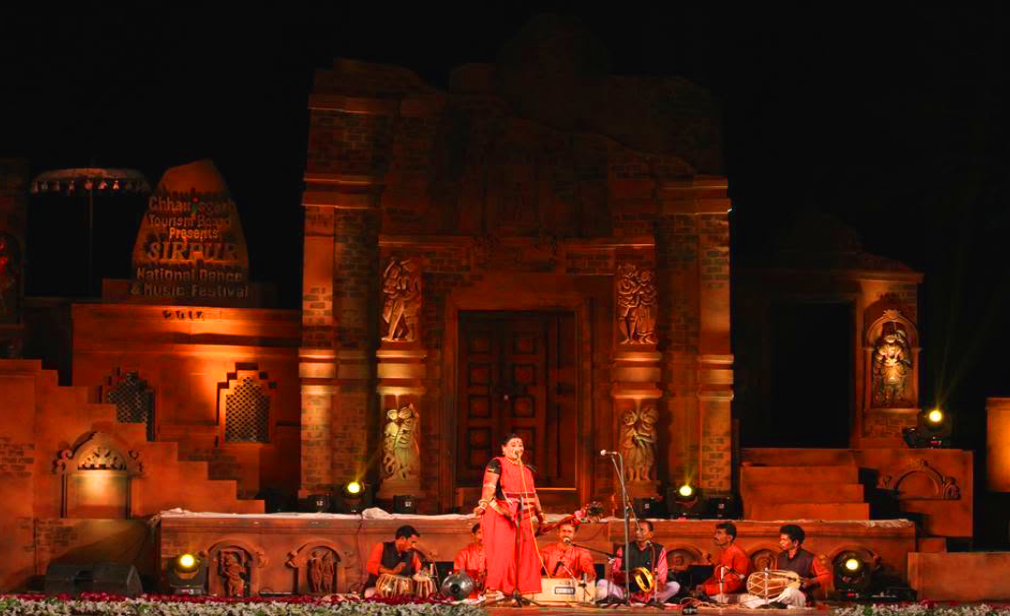
Sirpur Mahotsav Cultural Programme
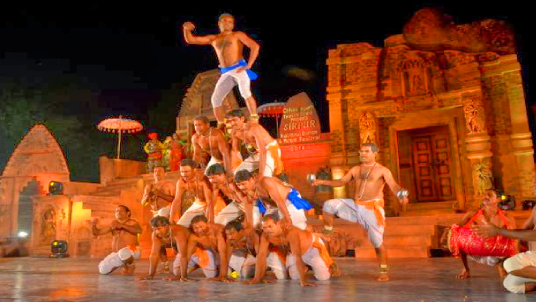
Venue
Date & Time
(Every Year) Magh Purnima, January To February
Entry
Explore more
events

Eco Retreat Sonapur: A coastal paradise beckons
Experience an unrivalled blend of luxury, adventure, and coastal beauty at Eco Retreat Sonapur, where the river Bahuda meets the Bay of Bengal

Bishnupur Music Festival: Where melodies resonate through time
The festival stands as a testament to the enduring spirit of Indian classical music and artistry.

The Historic Shivrinarayan Mela of Chhattisgarh is a beautiful confluence of faith, tradition, and culture. The fair is generally organized every year in the month of January-February, from Magh Purnima to Mahashivratri, for approximately 15 days, in Shivrinarayan town of Janjgir-Champa district, Chhattisgarh.

RAJIM KUMBH KALP
Prayag of Chhattisgarh
Rajim Kumbh is a major religious and cultural festival held in Rajim, Chhattisgarh. It is also popularly known as the “Prayag of Chhattisgarh.” The main centers of the festival are the Rajiv Lochan Temple and the confluence of the Mahanadi, Pairi, and Sondhur Rivers.

Paragliding Festival: A Thrilling adventure in the skies
Take to the skies and experience the sheer joy of soaring amidst the clouds.

Taj Mahotsav: A cultural carnival in the shadow of Taj Mahal
A celebration of art, crafts, music, dance, and cuisine against the backdrop of Taj Mahal.

The Manimalarkkavu Bharani Festival, held annually at the Velur Manimalarkkavu Temple in Thrissur, is a vibrant celebration honoring Goddess Bhagavathy.

The Tour of Thekkady, renowned as India’s premier Gran Fondo cycling event, is set to return in 2026, offering an exciting mix of competitive races and scenic tours through Kerala’s stunning landscapes.

Nestled in the heart of Kottayam district, the Elankavu Bhagavathy Temple hosts one of Kerala’s most captivating and distinctive festivals

Chaitra Parab is one of the most significant cultural festivals of Mayurbhanj, celebrated with great enthusiasm during the month of Chaitra. Deeply rooted in the traditions of the indigenous communities of the region, the festival marks the arrival of the new agricultural season and serves as a celebration of nature, community, and cultural identity.

Thrissur Pooram is a vibrant cultural celebration that unites people from diverse backgrounds

The Kottiyoor Vaishaka Mahotsavam is a remarkable 28-day pilgrimage festival celebrated amidst the tranquil forests of northern Kerala, along the banks of the majestic Bavali River. Conducted at the twin shrines of Akkare Kottiyoor Temple and Ikkare Kottiyoor Temple in Kannur district, it is one of the most revered spiritual gatherings in the region. The sacred Akkare Kottiyoor shrine, which serves as the focal point of the festival, remains open only during this annual celebration. The festivities commence on the Chothi star in the Malayalam month of Edavam and conclude on the Chithira star in Midhunam, usually between May and June.

Indore, celebrated as India’s cleanest city and a vibrant “smart city,” serves as the regal stage for Devi Ahilya Jayanti Parv.

Datia Gaurav Divas (Peetambara Mai Jayanti)
Celebrate the spiritual grandeur and cultural pride of Datia Gaurav Divas (Peetambara Mai Jayanti) in the historic city of Datia.

International Yoga Day is observed every year on 21st June to raise awareness about the numerous physical, mental, and spiritual benefits of practicing yoga.

Vadnagar is poised to make history this International Day of Yoga as over 2,000 participants prepare to perform Bhujangasana—the Cobra Pose—together in a massive public display of unity, health, and mindfulness.

Yoga is a trend that has been flourishing from the years; rather this has become a trendsetter in maintaining both physical and mental well-being. Each Yogic activity is a key to improving flexibility, strength, balance and attaining harmony. International Day of Yoga is celebrated every year on June 21.

‘Swaranjali’ Musical Evening 2026
‘Swaranjali’ Musical Evening 2026 is a celebration of music, culture, and artistic excellence, bringing together talented singers, musicians, and performers for an unforgettable evening of soulful melodies and captivating performances. The event showcases a harmonious blend of Indian classical, folk, contemporary, and regional music, reflecting the rich cultural diversity of the Andaman & Nicobar Islands.

FAITH is very excited to announce its second upcoming FAITH Conclave 2026, Incredible India: Invaluable Economics. This exciting event will be held on 16th-17th July, 2026 at Taj Palace, New Delhi,

The Ratha Yatra festival in Ahmedabad, Gujarat, is the second-largest chariot procession in India, after Puri’s Jagannath Rath Yatra.

The ‘RathaYatra’ Festival celebrated in Gandhinagar, Gujarat is considered to be a long route. The chariots of Lord Jagannath, his brother Balbhadra and sister Subhadra embark on the annual yatra from panchdev mandir to Jalaram mandir. Besides the three chariots of Lord Jagannath his brother Balram and sister ubhadra the RathYatra procession comprises nearly decorated elephants, trucks with tableaux and members of religious groups akharas local gyms and singing troupes. The procession returns tothe temple at around 7.30 pm after passing through a 25 km long route in old sectors.

Aanayoottu at Vadakumnathan Temple
Each year during Karkidakam, the Malayalam month that falls in July and August, the Vadakkumnathan Temple hosts the remarkable Aanayoottu festival, a traditional elephant-feeding ceremony that attracts large numbers of devotees and visitors

Experience the magic of the monsoon as you cycle through lush tropical forests, scenic coastal roads, and picturesque island landscapes. Breathe in the fresh air, enjoy breathtaking views, and discover the untouched beauty of the islands on an unforgettable cycling adventure. Whether you’re a nature lover or a cycling enthusiast, this tour offers the perfect blend of fitness, exploration, and relaxation in paradise.

The Jagannath Temple is located in Alwar City and greatly revered among the devotees. The fair of Jagannagth Ji is famous for its annual Rath Yatra festival where Lord Jagannath is carried in a chariot called Indra Vimana. The rath passes through prominent places of old Alwar city and people throng to get a glimpse of the deity. This is an important fair in the district where devotees from different walks of society throng the temple.
Source: www.incredibleindia.gov.in