





- News
- Technology News
- Tech News
- US government is proposing one sentence change in its visa form that will impact H-1B, L-1, O-1, TN, E, and other work visa extensions; making thousands lose their existing approval
Trending
Google Layoffs
Jensen Huang
IBM H-1B Visa
California Wealth Tax

US government is proposing one sentence change in its visa form that will impact H-1B, L-1, O-1, TN, E, and other work visa extensions; making thousands lose their existing approval
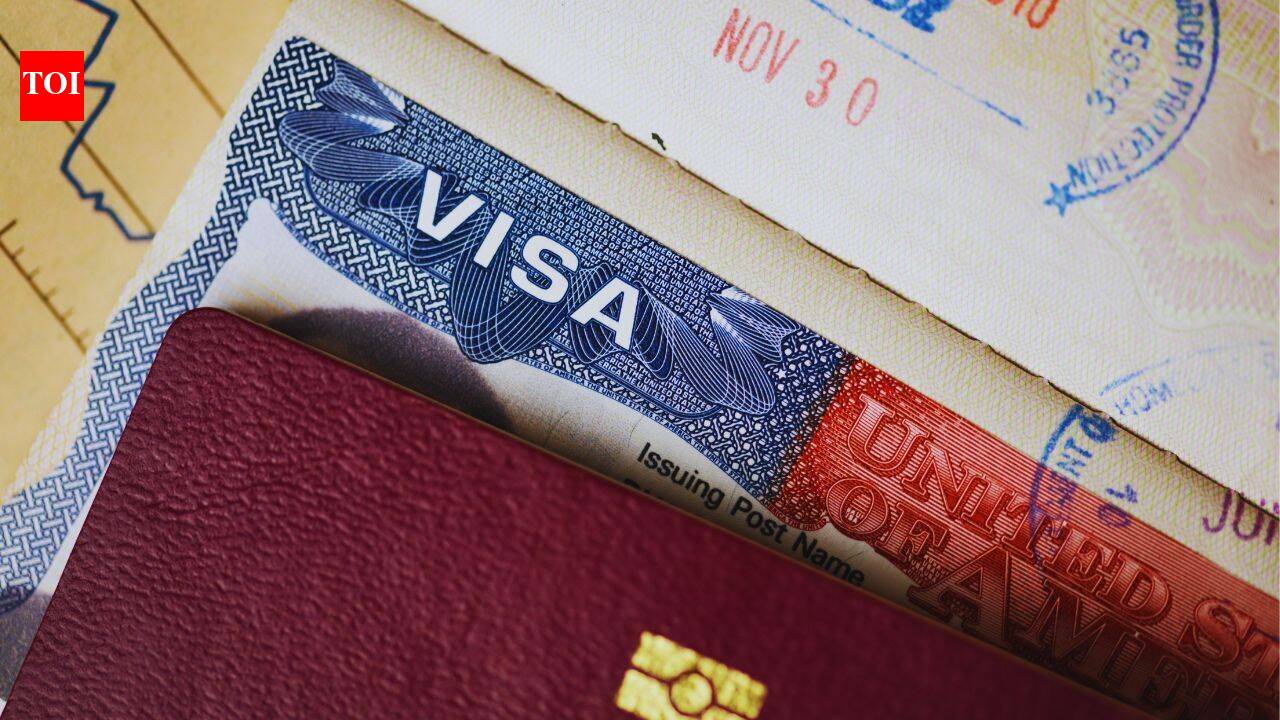
A proposed change by the US Department of Homeland Security (DHS) could make it harder for thousands of foreign workers to renew their work visa status, including H-1B, L-1, O-1, TN and E visa holders. The proposal seeks to remove a rule that currently requires immigration officers to give weight to their own previous approval when reviewing certain extension applications. The change involves deleting a single provision from the immigration regulations. While it would not automatically cancel existing visa approvals, it could allow US Citizenship and Immigration Services (USCIS) officers to reconsider eligibility questions that were already examined and approved during an earlier application.The proposal, titled “Removing Deference to Prior USCIS Determinations of Eligibility”, was published by DHS on October 14, 2026, in the Federal Register. It would remove Section 8 CFR 214.1(c)(5), which currently governs deference to previous USCIS decisions.According to DHS estimates, around 208,429 petitions filed annually could lose the benefit of this provision if the proposal is finalised.
What is the current rule, and what does DHS want to change
Under the existing rule, when an employer files a Form I-129 extension petition involving the same worker, employer and underlying circumstances as an earlier approved petition, USCIS generally gives weight to its previous decision. An immigration officer can depart from the earlier approval if there was a material error in the previous decision, a significant change in circumstances or eligibility requirements, or new information that affects the worker’s eligibility.The proposed change would remove this requirement. Officers would still be able to consider previous approvals, but they would no longer be required to give them deference.This means an H-1B worker applying for an extension with the same employer and in the same role could face a fresh examination of issues that USCIS had already approved.For example, an officer could reconsider whether the job qualifies as a specialty occupation, even if the same position was approved during the previous petition and there has been no material change.
Why could H-1B workers face more scrutiny
DHS has offered three main reasons for proposing the change. First, it argues that the burden of proving eligibility rests with the employer filing the petition under Section 291 of the Immigration and Nationality Act. According to DHS, giving weight to previous approvals can shift too much responsibility to immigration officers to establish why an earlier decision should not be followed.
Share your thoughts in the comments
Be respectful · TOI community guidelines
Second, DHS says the existing rule can discourage officers from issuing Requests for Evidence (RFEs) when they believe an application does not adequately establish eligibility.Third, the department argues that deference could allow a questionable initial approval to influence subsequent extension decisions, even when the earlier decision may have been incorrect.However, the proposal’s own data also highlights a possible consequence for applicants. DHS estimates that removing deference could result in approximately 6,044 additional RFEs every year.
What could the proposed change mean for foreign workers
If the proposal becomes final, foreign workers and employers could face additional scrutiny even during routine extensions.
- More requests for evidence:USCIS could reopen questions about job duties, specialty occupation eligibility and other requirements that were examined during an earlier approval.
- Longer processing times: DHS estimates around 6,044 additional RFEs annually. Responding to these requests could add to the workload of both employers and immigration officers, potentially slowing down processing.
- Work authorisation concerns:H-1B workers who file timely extension applications can generally continue working for the same employer for up to 240 days after their authorised period of stay expires, subject to applicable conditions. Longer processing times could push more applicants closer to this limit.
- Travel disruptions:Some workers wait for their extension approval before travelling abroad to obtain a new visa stamp. Additional delays could make it harder to plan international travel, including trips for family emergencies.
Fearless legend or grounded realist? Rate yourself on 11 categories in the Great Indian Confidence Survey – find out in 3–6 min
End of Article
Latest Mobiles
Photostories


1 Comment
Pingback: US government is proposing one sentence change in its visa form that will impact H-1B, L-1, O-1, TN, E, and other work visa extensions; making thousands lose their existing approval - The Daily Republic